The Six Kinds of Kid: A Parent's Field Guide to Interests
If you've ever watched your child across a crowded birthday party and thought, "that is so them," you already have the instinct behind one of the most-used frameworks in career psychology. It doesn't sort children into boxes. It gives you six lenses for what you're already seeing.
Where the six come from
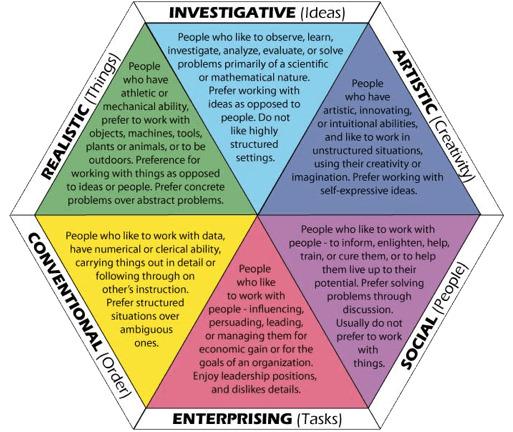
In the 1950s, psychologist John Holland noticed that people's interests tend to cluster into six broad leanings. Fifty years later, his RIASEC model is still the backbone of career guidance systems around the world — including the one behind the U.S. government's official careers database.
One honest note before the list: this is a map, not a verdict. The framework was developed largely in Western settings, so we treat it as an international lens for noticing interests — never a fixed label to pin on a child. Almost every kid is a blend of two or three of these, and the mix keeps shifting as they grow.
The six, in real children
- The Maker (Realistic) — happiest with their hands. Builds, takes apart, fixes, wants to touch the real thing rather than read about it.
- The Solver (Investigative) — the endless "but why?" Loves puzzles, patterns, and getting to the bottom of how something works.
- The Creator (Artistic) — draws, writes, invents, performs. Needs room to make something that didn't exist before.
- The Helper (Social) — notices who's left out. Comforts, teaches, mediates. Feels best when someone else feels better.
- The Leader (Enterprising) — starts the game and sets the rules. Persuades, pitches, rallies the group toward a plan.
- The Organizer (Conventional) — brings order to chaos. Loves lists, systems, tidiness, and knowing where everything belongs.
Why one label is never enough
Read those six and you probably saw your child in two or three at once — a Maker who's also a Leader, a Creator with a Helper's heart. That overlap isn't the framework failing; it's the point. Real children are combinations, and the combination is more revealing than any single type. What you're looking for isn't a category. It's a pattern of what pulls them in.
How we use it at KidBiz
Our whole camp is built as six stations — one for each of these leanings. We don't hand a child a quiz and read them a result. Over two days we watch them move through all six kinds of challenge and note where they come alive: the Maker who won't stop building, the Leader who quietly took over the pitch. Your child leaves with a First Read that shows their real blend — the two or three leanings that showed up in what they actually did.
You don't need to decide which kind your child is. You just need to notice which kinds keep showing up.
เด็ก 6 แบบ: คู่มือดูความสนใจของลูก สำหรับพ่อแม่
ถ้าคุณเคยมองลูกในงานวันเกิดที่คนแน่น ๆ แล้วคิดในใจว่า "นี่มัน ตัวเขา ชัด ๆ" — แสดงว่าคุณมีสัญชาตญาณที่อยู่เบื้องหลังหนึ่งในกรอบแนวคิดที่ถูกใช้มากที่สุดในจิตวิทยาอาชีพอยู่แล้ว มันไม่ได้จับเด็กยัดกล่อง แต่ให้ "แว่น" 6 อัน ไว้ดูสิ่งที่คุณเห็นอยู่แล้ว
6 แบบนี้มาจากไหน
ยุค 1950 นักจิตวิทยา John Holland สังเกตว่าความสนใจของคนมักจับกลุ่มเป็น 6 สายกว้าง ๆ ผ่านไป 50 ปี โมเดล RIASEC ของเขายังเป็นแกนหลักของระบบแนะแนวอาชีพทั่วโลก — รวมถึงระบบเบื้องหลังฐานข้อมูลอาชีพทางการของรัฐบาลสหรัฐฯ
ขอบอกตรง ๆ ก่อนเข้าลิสต์: นี่คือ แผนที่ ไม่ใช่คำตัดสิน กรอบนี้พัฒนาในบริบทตะวันตกเป็นหลัก เราจึงใช้มันเป็นเลนส์สากลไว้ "สังเกต" ความสนใจ ไม่ใช่ป้ายตายตัวไปแปะตัวเด็ก เด็กเกือบทุกคนเป็นส่วนผสมของ 2–3 สาย และส่วนผสมนั้นก็ขยับไปเรื่อยตามวัย
6 แบบ ในเด็กจริง ๆ
- นักสร้าง (The Maker) (Realistic) — มีความสุขเวลาได้ใช้มือ ต่อ รื้อ ซ่อม อยากจับของจริงมากกว่าอ่านเรื่องมัน
- นักไข (The Solver) (Investigative) — เจ้าของคำถาม "แล้วทำไม" ไม่รู้จบ ชอบปริศนา แพตเทิร์น และขุดให้ถึงว่ามันทำงานยังไง
- นักสร้างสรรค์ (The Creator) (Artistic) — วาด เขียน คิดค้น แสดง ต้องการพื้นที่สร้างสิ่งที่ยังไม่เคยมี
- นักช่วย (The Helper) (Social) — สังเกตเห็นคนที่ถูกทิ้งไว้ข้างหลัง ปลอบ สอน ไกล่เกลี่ย รู้สึกดีที่สุดเมื่อคนอื่นรู้สึกดีขึ้น
- นักนำ (The Leader) (Enterprising) — เป็นคนเริ่มเกมและตั้งกติกา โน้มน้าว พิตช์ ปลุกทีมให้เดินไปตามแผน
- นักจัดระเบียบ (The Organizer) (Conventional) — เปลี่ยนความวุ่นวายเป็นระเบียบ ชอบลิสต์ ระบบ ความเป็นระเบียบ และรู้ว่าอะไรควรอยู่ตรงไหน
ทำไมป้ายเดียวถึงไม่เคยพอ
อ่าน 6 แบบนี้จบ คุณคงเห็นลูกอยู่ใน 2–3 แบบพร้อมกัน — นักสร้างที่เป็นนักนำด้วย นักสร้างสรรค์ที่มีหัวใจนักช่วย การทับซ้อนนี้ไม่ใช่กรอบล้มเหลว แต่มันคือหัวใจเลย เด็กจริงคือส่วนผสม และส่วนผสมนั้นบอกอะไรได้มากกว่าประเภทเดี่ยว ๆ สิ่งที่คุณกำลังมองหาไม่ใช่หมวดหมู่ แต่คือแพตเทิร์นของสิ่งที่ดึงเขาเข้าไป
ที่ KidBiz เราใช้มันยังไง
ค่ายทั้งค่ายของเราถูกสร้างเป็น 6 สถานี — สถานีละหนึ่งสายความสนใจ เราไม่ยื่นแบบทดสอบให้เด็กแล้วอ่านผลให้ฟัง แต่ตลอด 2 วัน เราดูเขาเคลื่อนผ่านโจทย์ทั้ง 6 แบบ แล้วจดว่าเขามีชีวิตชีวาตรงไหน: นักสร้างที่ต่อไม่ยอมหยุด นักนำที่เงียบ ๆ แต่เทกโอเวอร์การพิตช์ ลูกกลับบ้านพร้อม First Read ที่บอกส่วนผสมจริงของเขา — 2–3 สายที่โผล่ออกมาจากสิ่งที่เขาทำจริง
คุณไม่ต้องตัดสินว่าลูกเป็นแบบไหน แค่สังเกตว่าแบบไหนที่โผล่มาซ้ำ ๆ